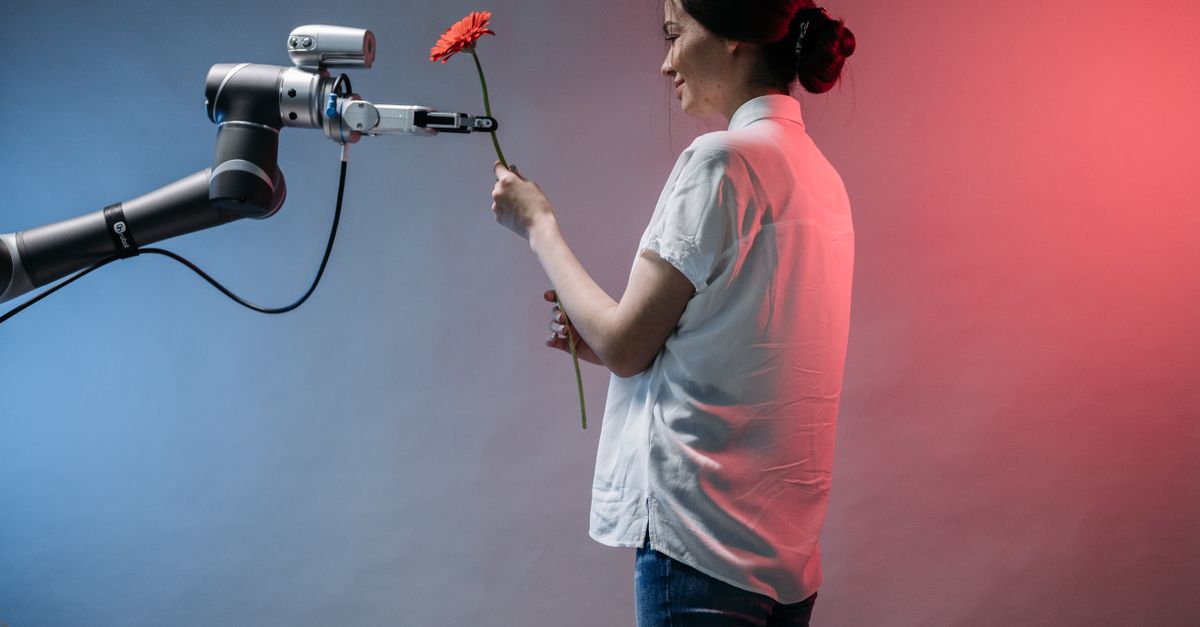
Taiwan's Smart Tech Revolution: Innovation Meets Intelligence
Taiwan has evolved from a manufacturing hub to a global innovation leader, with its smart technology ecosystem now dominating 25% of the world's semiconductor market (Source: CNET Article). The 2023 Taiwan Excellence Awards highlighted 127 gold-winning products, ranging from AI-powered medical devices to energy-efficient IoT systems, demonstrating the island's commitment to merging technical prowess with user-centric design.
Understanding the Taiwan Excellence Awards Framework
The awards program, administered by the Industrial Development Bureau, evaluates products across 12 criteria including innovation, design, practicality, and sustainability. The framework ensures winners like ASUSTOR's AI-powered NAS systems or Innolux's transparent OLED displays meet both technical and market readiness standards.
| Category | Weighting | Key Metrics |
|---|---|---|
| Innovation | 25% | Patent integration, R&D investment |
| Design | 20% | Ergonomics, aesthetic appeal |
| Practicality | 20% | Real-world application value |
| Sustainability | 15% | Energy efficiency, recyclability |
Innovation in AI-Powered Smart Devices
Taiwanese companies are pioneering hybrid systems that combine machine learning with hardware efficiency. Notable examples include:
- Smart Health Monitoring: TPCA's wearable ECG devices use neural networks to detect arrhythmias with 98% accuracy
- Industrial IoT: Delta Electronics' smart sensors reduce factory downtime by 40% through predictive maintenance
- Home Automation: TP-Link's Kasa ecosystem integrates voice control with energy consumption analytics
According to TrendForce research, AI-embedded smart devices from Taiwan saw 37% YoY growth in 2023, outpacing global averages. The integration of AI in smart devices is transforming various industries, from healthcare to manufacturing.
Applications of AI in Smart Devices
- Predictive Maintenance: AI-powered sensors in industrial settings reduce downtime and increase overall efficiency
- Smart Home Automation: Voice-controlled systems integrate with IoT devices to enhance user experience
- Health Monitoring: Wearable devices use machine learning to detect health anomalies and provide personalized recommendations
Design-Driven Tech Solutions for Everyday Use
Taiwan's design philosophy emphasizes minimalism and user accessibility. Key features include:
- Human-Centric Interfaces: Lite-On's smart projectors use gesture recognition to adjust focus
- Space Optimization: Foxlink's modular smart home systems adapt to different living spaces
- Material Innovation: Nantong's biodegradable smart packaging with embedded sensors
These approaches have contributed to a 22% increase in design patent applications in 2023 (Ministry of Economic Affairs data). The focus on user-centric design is driving innovation in various sectors.
Design Principles in Smart Tech
- User-Centered Design: Products prioritize ease of use and accessibility
- Minimalism: Design focuses on simplicity and functionality
- Material Innovation: Companies explore eco-friendly materials and sustainable production methods
Key Takeaways from Industry Leaders
- R&D Investment: Top winners allocate 15-20% of revenue to research
- Cross-Industry Collaboration: 68% of award-winning products result from university-industry partnerships
- Global-Local Balance: Successful products maintain 70% global usability while addressing 30% regional needs
Industry leaders emphasize the importance of balancing innovation with practical implementation.
Practical Implementation: Building Smart Ecosystems
Step-by-step roadmap for tech integration:
- Needs Assessment: Analyze user pain points through data analytics
- Prototyping: Use rapid 3D printing and simulation software
- Testbeds: Deploy pilot systems in controlled environments
- Scalability Testing: Stress-test under maximum load conditions
Example: In 2022, Wistron's smart grid solution was tested in Taichung before scaling to 250 cities. The company achieved a 30% reduction in energy consumption through optimized grid management.
Implementing Smart Ecosystems
- Data-Driven Decision Making: Use analytics to inform product development and deployment
- Collaborative Partnerships: Foster partnerships between industry, academia, and government to accelerate innovation
- Scalability: Test and refine solutions in controlled environments before large-scale deployment
Collaboration Between Startups and Established Firms
The government's 'Innovation and Entrepreneurship Development Act' has created a supportive ecosystem for startups and established firms to collaborate. Key initiatives include:
- 25 incubators with shared lab facilities
- $120 million annual funding pool
- 400+ mentorship programs
This ecosystem has produced partnerships like MediaTek working with Agora.io on 5G communication chips. The collaboration between startups and established firms is driving innovation and growth in various sectors.
Benefits of Startups-Industry Partnerships
- Innovation Acceleration: Collaborations drive R&D and product development
- Talent Access: Startups bring fresh perspectives and skills to established companies
- Market Access: Partnerships facilitate entry into new markets and customer segments
Future Trends in Taiwan's Smart Technology Landscape
- Neuromorphic Computing: TSMC's 3nm process enabling brain-inspired chips
- Sustainable Tech: 80% of 2024 award entries incorporate recycled materials
- Health Tech Expansion: Wearables with non-invasive glucose monitoring
The future of smart technology in Taiwan looks promising, with emerging trends shaping the industry.
Emerging Trends in Smart Tech
- Neuromorphic Computing: Enabling more efficient and adaptive AI systems
- Sustainable Materials: Reducing waste and environmental impact in product design
- Non-Invasive Health Monitoring: Enhancing user experience and convenience in healthcare
Conclusion: Embracing the Future of Intelligent Technology
Taiwan's smart tech revolution demonstrates that innovation thrives at the intersection of precision engineering and human-centered design. For businesses seeking to replicate this success, the key lies in balancing cutting-edge R&D with practical implementation. Explore the Taiwan Excellence Awards database to discover solutions that can transform your operations.
References
- CNET Analysis: Taiwan's Smart Tech Revolution
- Ministry of Economic Affairs 2023 Annual Report
- TrendForce Research: AI-Embedded Smart Devices in Taiwan